We recently moved co-working spaces, after 8 or 9 years in the same place. I’ll be up front here, we left Space A because I was annoyed with them. I’ve been increasingly unhappy with them for a while, but moving is a pain so just put up with them. But their most recent rent increase along with the lost packages, increasing deposit requirements and revolving door of incompetent staff finally drove us to find a new co-working space.
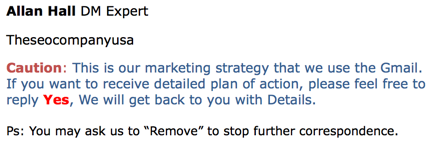
On the 15th of the last month of our contract, I started receiving marketing emails from Space A. I just deleted a couple of them but finally decided I didn’t want to ever see their name again. I tried to unsubscribe.
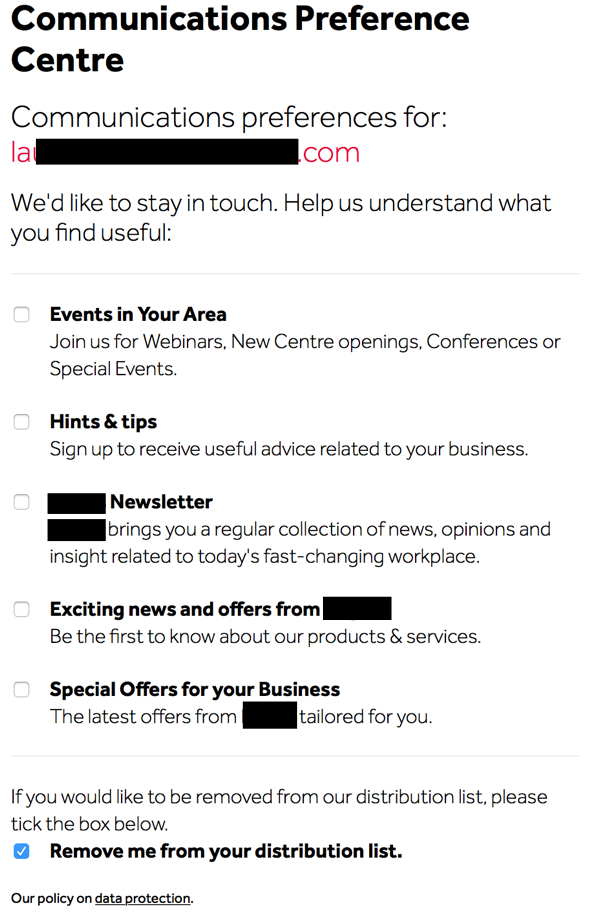
Gotta give them credit. Checkboxes for everything, except some of them are to opt-in and some of them are to opt-out. This is the kind of interface marketers use to confuse folks and limit the actual number of opt-outs. I’ll admit, the first time I tried to opt-out, I probably did it wrong. But, I know CAN SPAM says they have 10 days, and I know many marketers take advantage of that so I wait a while and keep deleting the messages that show up in my mailbox.
That was late June. By early July I realize it’s been more than 10 days and I’m still getting mail from them. So I click another opt-out link. This time I notice I need to uncheck most boxes, but check the bottom one. OK, fine, you got me, I didn’t read and didn’t correctly opt-out the first time. This time I will.
I continue to receive email. I continue to delete the email. We run our own mail system so I don’t have the benefit of a this-is-spam button, but you can bet if I did I would have used it, on every message I received after my first attempt to opt-out.
This week, after getting yet more mail, I start digging. What ESP are they using that’s bungling the opt-out process? Ah. I know that ESP. So I send in a complaint to abuse@ESP asking them to please make their customer stop mailing me. I also go, once again, to the preference page and submit an opt-out request. Because, hey, maybe third time is a charm?
12 hours later I get yet another mail from them. Really? REALLY? OK. Now I’m moving from annoyed to irate. First step: figure out if I know anyone working at said ESP. Ah, right, them. I have a lot of respect for this colleague, so I send a heads up pointing out that their customer isn’t honoring unsubscribes and can they take a look at what might have broken in their unsubscribe process.
This morning they tell me they looked into my subscription and have not registered any opt-out request until the one this week. The other two? Not recorded in their system. “Does this match your recollection of what happened?” No. No it doesn’t. I know I clicked on unsub links at least 3 times and only one of those clicks is recorded.
At this point, I’m pretty sure I’ll be suppressed by the ESP so I won’t have to get mail from Space A any longer. That fixes the annoyance on my end. But I can’t help thinking about how horrible this interaction was, both from a deliverability perspective and from a customer perspective.
Read More